Do I actually need it?
Start with diet, lifestyle, symptoms, medications and—when appropriate—testing or qualified advice.
Before you buy
If you do not understand what you are taking, you may just be buying expensive pee. A little skepticism can save money—and help you make better decisions.
Need Evidence Quality
The 3-question filter
Start with diet, lifestyle, symptoms, medications and—when appropriate—testing or qualified advice.
Look for evidence tied to the ingredient, dose and outcome you actually care about.
Look for transparent sourcing, appropriate testing and clear labeling rather than marketing language alone.

Organic ingredients
Short answer: it can be better for how a plant ingredient is grown and for the farming practices you want to support. But “organic” is not proof that a capsule works—or that it is automatically more nutritious.
Certified organic farming follows defined rules for the soil, seeds, crop inputs, pest control, and record keeping. In practice, that can mean crop rotation, compost, biological pest control, and tighter limits on synthetic fertilizers and pesticides. Those choices can support soil health, biodiversity, and a more transparent growing process.
Here’s the part labels rarely explain: a supplement may contain one organic botanical while the rest of the formula is not organic. Minerals are not farmed, and extracts, capsules, flavours, and processing aids can have different rules. Ask whether the claim applies to one ingredient or to the certified finished product.
How agricultural ingredients were grown, handled, documented, and certified.
Whether the dose is effective, the formula suits you, or the product is risk-free.
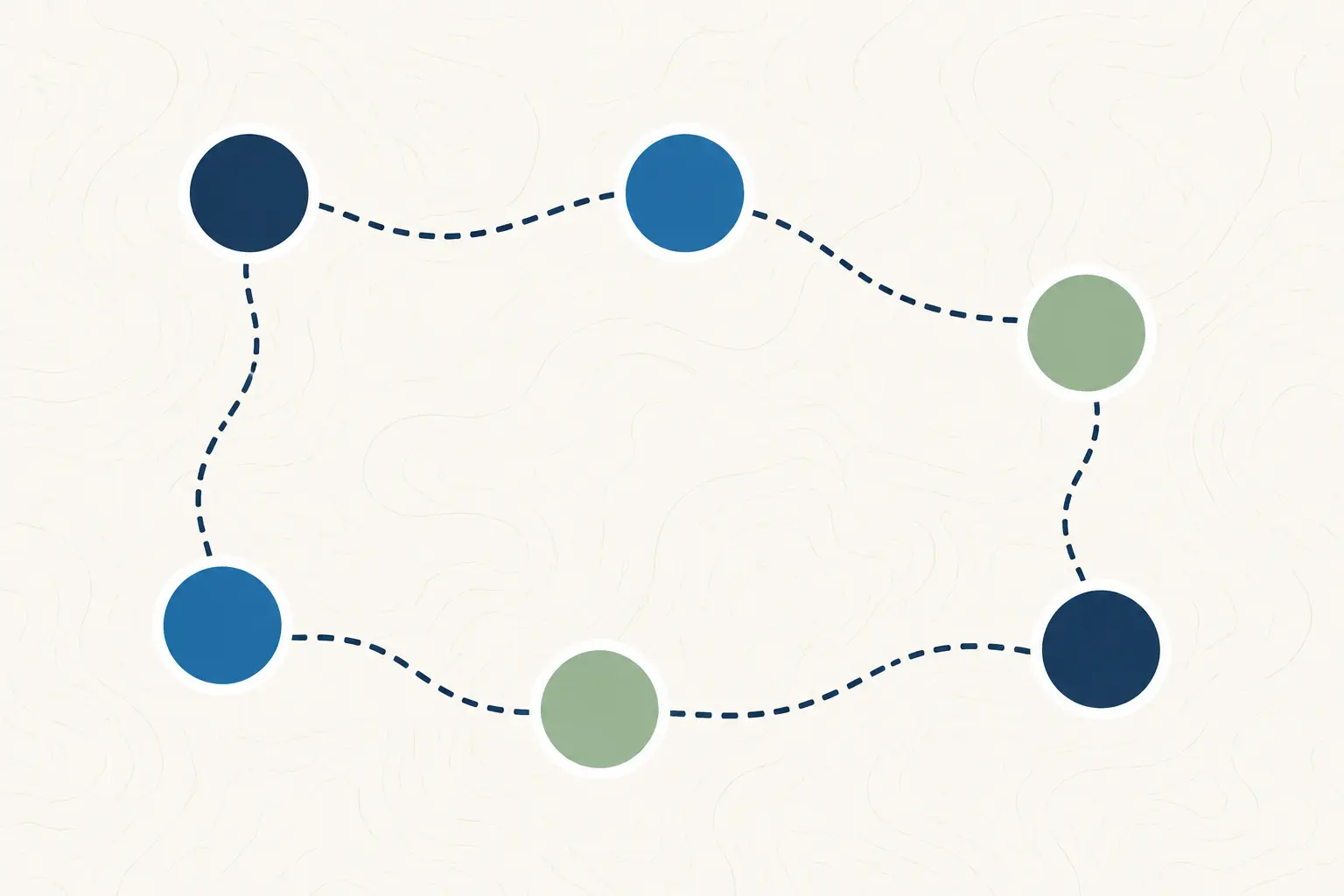
The product’s paper trail
Think of traceability as the receipts behind the bottle. A traceable product can be followed from the raw ingredient through processing, testing, manufacturing, packaging, and the lot you actually bought.
Why should you care? Because a company that knows the who, what, where, and when of an ingredient can investigate a problem faster, isolate an affected batch, and show whether its sourcing story is real. “Made with premium ingredients” is marketing. A documented chain is evidence.
Traceability is not the same as quality. A perfectly documented ingredient can still be poorly chosen or under-dosed. What it gives you is visibility and accountability—two things that make quality claims easier to check.
Useful questions to ask
Independent checks
Each mark below tells you two useful things: what standard it represents and the question it can help you answer.
The product has completed a technical review, label-claim testing, and contaminant testing under NSF’s supplement standard. Eligible products are made in a GMP-certified facility.
Is the product independently checked against a supplement standard for label accuracy, contaminants, and manufacturing requirements?

For marine oils, the mark indicates that the raw material comes from approved, well-managed sources and meets the program’s traceability and social-accountability criteria.
For relevant marine products such as omega-3 oil, does the source meet the program’s sustainability and traceability requirements?
The certifier has reviewed ingredients—including processing aids such as gelatin or enzymes—and the manufacturing controls for compliance with its halal standard.
Have the ingredients and manufacturing process been reviewed against the named certifier’s halal requirements?
A rabbinic certification agency has reviewed the ingredients, production facility, and process for compliance with kosher dietary law. Letters beside the mark identify categories such as dairy or meat.
Have the ingredients, equipment, and production process been reviewed against the named certifier’s kosher requirements?
Certification marks belong to their respective organizations and are shown here for education only. They apply only to the specific product and scope named by the certifier—not to this website or every product from a brand. Verify the exact product in the certifier’s directory when possible.
Next: Understand Canadian NPNsCanadian natural health products
An eight-digit Natural Product Number identifies a natural health product licensed for sale in Canada under its authorized conditions of use.
Use Health Canada's licensed-product database to review the exact product's medicinal ingredients, dosage, recommended use, warnings and risk information. An NPN does not mean a product is right for everyone, risk-free or superior to alternatives.
Next: Use the label and quality checkYour 60-second label check
Organic, traceable, and certified can all be meaningful. None replaces the basic question: is this the right product, at the right amount, for a real need?
Match the eight-digit NPN on the label to the exact product in Health Canada's licensed-product database.
Compare the medicinal ingredient and daily dose—not the blend name or front-label promise.
Know the gap, goal, life-stage need, or clinician-guided reason you are addressing.
Look for clear sourcing, lot information, testing, and a certification relevant to what matters to you.
Check interactions, allergies, duplicate ingredients, upper limits, and whether professional advice is warranted.
Review supplements with a physician, pharmacist, or registered dietitian if you take medication, have kidney or liver disease, are pregnant or breastfeeding, have surgery planned, or are treating a diagnosed condition.
Next step
Talk with Mike about what you’re trying to figure out.